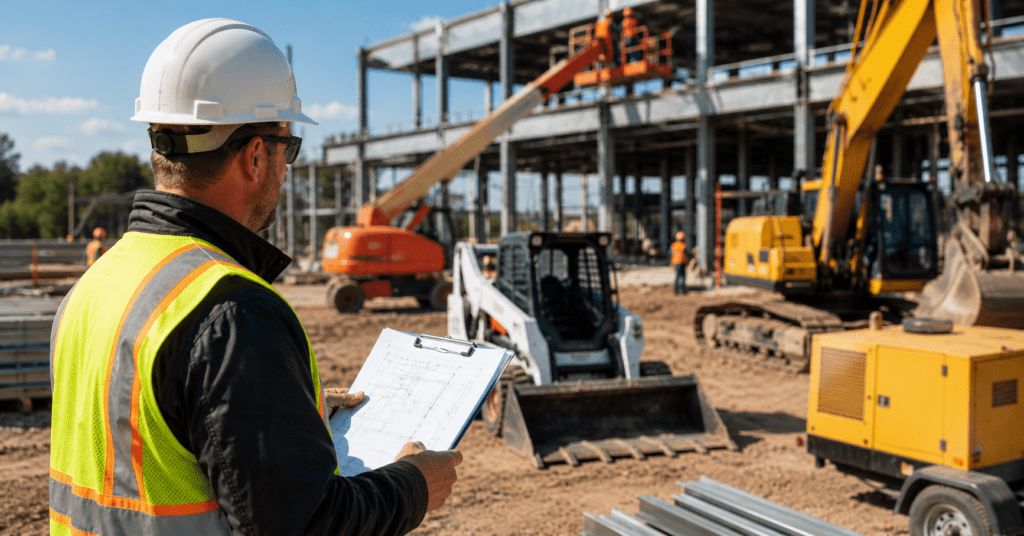
A well-designed traffic control plan is only as effective as the equipment used to execute it. Many contractors create solid plans on paper but struggle when it comes to matching those plans with the right on-site rental equipment. The result? Delays, failed inspections, safety gaps, or unnecessary extra costs.
Safety Network Plans has prepared hundreds of traffic control plans across California and regularly helps contractors align their plans with the most suitable rental equipment. With deep knowledge of Caltrans standards, MUTCD requirements, and real-world project demands, we ensure your plan and equipment work together seamlessly.
This guide shows you exactly how to match your traffic control plan with the right on-site equipment rental needs for smoother, safer, and more profitable projects.
Why Matching Plans with Equipment Matters
A mismatch between your traffic control plan and the equipment on site can cause:
- Failed inspections and stop-work orders
- Increased safety risks to workers and drivers
- Project delays and change orders
- Higher rental costs from last-minute swaps
- Liability exposure if an incident occurs
Proper alignment ensures compliance, efficiency, and cost control.
Step 1: Understand Your Project Requirements
Before choosing equipment, thoroughly review these key elements from your traffic control plan:
- Posted speed limits and road classification
- Duration of the closure (short-term vs long-term)
- Lane closure configuration and taper lengths
- Work zone location (highway, urban, residential)
- Time of day operations (day vs night work)
- Pedestrian and bicycle accommodations
- Emergency access requirements
These factors directly determine what equipment you need.
Step 2: Match Equipment to Specific Plan Elements
For High-Speed Highway Projects (55+ mph):
- Full-size Truck-Mounted Attenuators (TMAs) with proper weight certification
- Large arrow boards (minimum 42×60 pixels)
- High-visibility channelizing devices with retroreflective sheeting
- Portable Changeable Message Signs (PCMS) for advance warnings
- Radar speed trailers for speed control
For Urban and Low-Speed Projects:
- Compact or medium arrow boards
- Lightweight shadow vehicles with appropriate TMAs
- Roll-up signs and shorter tapers
- Smaller message boards for targeted messaging
For Night Work:
- Enhanced lighting systems (balloon lights, tower lights)
- Higher-intensity arrow boards and signs
- Additional reflectorized devices
- Backup power sources
Step 3: Consider Equipment Compatibility and Logistics
Your rental equipment must work together as a system:
- TMA host trucks should match the size and weight requirements in your plan
- Arrow boards must sync properly with shadow vehicle lighting
- All devices should have consistent power sources and mounting systems
- Equipment must fit within available staging areas
Safety Network Plans reviews your equipment list during plan development to catch compatibility issues early.
Step 4: Factor in Rental Duration and Budget
- Short-term projects (under 30 days): Focus on daily/weekly rental rates
- Long-term projects: Negotiate monthly rates and maintenance packages
- Consider delivery, pickup, and on-site support costs
- Build equipment rental into your bid accurately
Common Mistakes Contractors Make
- Renting equipment before the plan is finalized
- Choosing the cheapest option instead of the right option
- Underestimating night work lighting needs
- Renting TMAs that don’t meet minimum weight requirements
- Failing to coordinate equipment delivery with plan staging areas
How Safety Network Plans Helps You Match Equipment Successfully
We go beyond creating the plan — we help ensure it works in the field:
- Equipment recommendations built into every plan
- Vendor coordination for timely delivery
- Pre-project equipment compatibility reviews
- On-call support during the project for adjustments
- Documentation for Caltrans and local agency compliance
Our experience helps contractors avoid costly mismatches and keep projects running smoothly.
Real Project Examples
Highway Shoulder Widening (Central Valley): We designed a plan requiring specific TL-3 TMAs and large arrow boards. By matching equipment early, the contractor avoided two change orders and completed the project ahead of schedule.
Urban Street Rehabilitation (Fresno): Our plan called for compact arrow boards and message signs suitable for tight city streets. The right equipment selection improved traffic flow and received positive feedback from the city.
Frequently Asked Questions
When should I start thinking about equipment rental? As soon as the traffic control plan is being developed — ideally 3–4 weeks before the project starts.
Can I rent equipment directly or should I use your recommendations? You can work with any reputable rental provider. We provide specifications so you get equipment that matches the plan requirements.
What if conditions change during the project? We can quickly revise the plan and recommend equipment adjustments as needed.
How do I know if rented equipment meets Caltrans standards? We help verify certifications, weight tickets, and compliance documentation before delivery.
Do you offer equipment rental directly? While we focus on plans, we maintain strong relationships with trusted rental providers and can coordinate on your behalf.
Get the Right Equipment for Your Plan
A great traffic control plan paired with the right equipment creates safer work zones, smoother operations, and better project outcomes.
Let Safety Network Plans help you align your traffic control strategy with the perfect on-site equipment rental package.
Call (559) 291-8000 or email help@safetynetworkplans.com today to discuss your upcoming projects.
Visit Safety Network Plans or follow us on Pinterest and Facebook for traffic control best practices and project insights.
Match your plan with the right equipment — and build safer, more efficient work zones with Safety Network Plans.