Night work has become increasingly common in California road construction and maintenance projects. Working after dark allows crews to avoid daytime traffic congestion, complete projects faster, and reduce impacts on commuters. However, night work also significantly increases safety risks for both workers and drivers due to reduced visibility, driver fatigue, and higher speeds in low-light conditions.
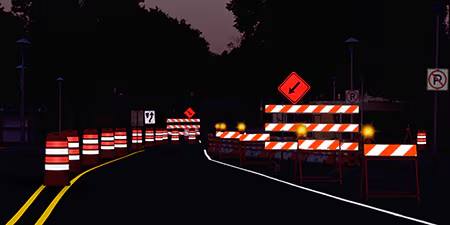
Safety Network Plans specializes in developing comprehensive traffic control plans for night operations. With years of experience preparing plans for Caltrans, local cities, and counties across California, we understand exactly how to combine proper lighting, signage, and worker protection to keep everyone safe when the sun goes down.
This guide explains the critical elements you must address when planning night work in work zones and why professional traffic control planning is essential for compliance and safety.
Why Night Work Requires Special Planning
Nighttime work zones present unique challenges:
- Reduced driver visibility and reaction time
- Higher percentage of impaired or fatigued drivers
- Workers operating in low-light conditions for extended periods
- Greater difficulty seeing pavement markings, signs, and channelizing devices
According to the Federal Highway Administration (FHWA) and Caltrans, night work zones have a higher crash rate per hour than daytime operations. Proper planning of lighting, signs, and protective measures is not optional — it is required for safety and regulatory compliance.
1. Lighting Requirements for Night Work Zones
Adequate lighting is the foundation of safe night operations. MUTCD Section 6G.02 and Caltrans standards require specific illumination levels.
Key Lighting Standards:
- Minimum 10 foot-candles (108 lux) for work areas where workers are present
- 5 foot-candles for adjacent transition areas
- Proper glare control to avoid blinding drivers
- Uniform lighting without dark spots or harsh shadows
Best Practices We Recommend:
- Use LED balloon lights or tower lights for general area illumination
- Deploy portable light plants with proper height and spacing
- Mount work lights on shadow vehicles to illuminate the work area
- Ensure all lighting is aimed downward to minimize glare
- Have backup power sources and emergency lighting ready
Poor lighting is one of the most common reasons for night work citations and increased accident risk.
2. Signage and Traffic Control Devices for Night Conditions
Signs and devices must be highly visible at night. Standard daytime signs are often insufficient after dark.
Critical Nighttime Signage Requirements:
- Use Type XI (Diamond Grade) or Type IX retroreflective sheeting for all signs
- Larger sign sizes are often required for better visibility
- Sequential arrow boards and flashing arrow panels must be bright and properly programmed
- Portable changeable message signs (PCMS) with appropriate messages
- Increased use of channelizing devices with retroreflective elements
Advanced Nighttime Strategies:
- Adding flashing beacons to advance warning signs
- Using 48-inch or larger signs on high-speed corridors
- Installing temporary rumble strips with reflective tape
- Ensuring proper spacing and taper lengths are maintained
3. Worker Protection and Safety Measures
Protecting workers is the top priority during night operations.
Essential Protection Elements:
- High-visibility clothing with retroreflective material (Class 3 garments recommended)
- Shadow vehicles with properly installed and functioning Truck-Mounted Attenuators (TMAs)
- Positive protection barriers (K-rails, crash cushions) when workers are exposed to traffic
- Trained flaggers with proper nighttime equipment
- Clear internal traffic control plans for the work area
All workers must receive specific training on night work hazards and emergency procedures.
Developing a Comprehensive Night Work Traffic Control Plan
A professional traffic control plan for night work should include:
- Detailed lighting layout and specifications
- Enhanced signage and device placement
- TMA and shadow vehicle positioning
- Emergency response and contingency plans
- Pedestrian and bicyclist accommodations (if applicable)
- Clear communication protocols between crew and traffic control staff
Safety Network Plans creates detailed, Caltrans-compliant plans that cover all these elements, helping contractors avoid costly change orders and safety violations.
Common Night Work Mistakes to Avoid
- Insufficient lighting in the work area
- Using daytime-only signs and devices
- Poor placement of arrow boards and shadow vehicles
- Inadequate worker visibility clothing
- Lack of contingency plans for equipment failure or weather changes
Why Choose Safety Network Plans for Night Work Projects
Safety Network Plans stands out because:
- We specialize exclusively in traffic control plans and have deep experience with night operations
- All plans are prepared by certified traffic control professionals
- Full compliance with current MUTCD, Caltrans, and local agency standards
- Fast turnaround times to meet tight construction schedules
- Ongoing support during the project if conditions change
Our plans help contractors work safely at night while maintaining high productivity and staying in full regulatory compliance.
Frequently Asked Questions
Is night work always more dangerous? It can be, but with proper planning, lighting, signage, and protection, the risks can be effectively managed.
What lighting level is required by Caltrans? Caltrans generally requires a minimum of 10 foot-candles in active work areas during night operations.
Do I need a separate traffic control plan for night work? Yes. Night operations require specific modifications to standard plans, especially regarding lighting and enhanced visibility measures.
How far in advance should I order a night work traffic plan? We recommend at least 2–3 weeks, although we can often accommodate faster turnaround for urgent projects.
Can you revise plans if conditions change during the project? Yes. We provide quick revisions and additional support as needed.
Keep Your Night Work Projects Safe and Compliant
Night work doesn’t have to be risky. With the right combination of professional lighting, highly visible signage, and proper worker protection, you can complete projects safely and efficiently after dark.
Let Safety Network Plans develop a comprehensive, code-compliant traffic control plan tailored specifically for your night operations.
Call (559) 291-8000 or email help@safetynetworkplans.com today to discuss your upcoming night work projects.
Visit Safety Network Plans or follow us on Pinterest and Facebook for traffic control tips and project examples.
Work smarter and safer at night with professionally designed traffic control plans from Safety Network Plans.